Capture what matters
Corrections, decisions, conventions, review feedback, and repeated explanations stop disappearing at the end of a session.
Foundry watches the work you already do, captures the corrections and decisions that matter, and turns them into durable context for the next run.


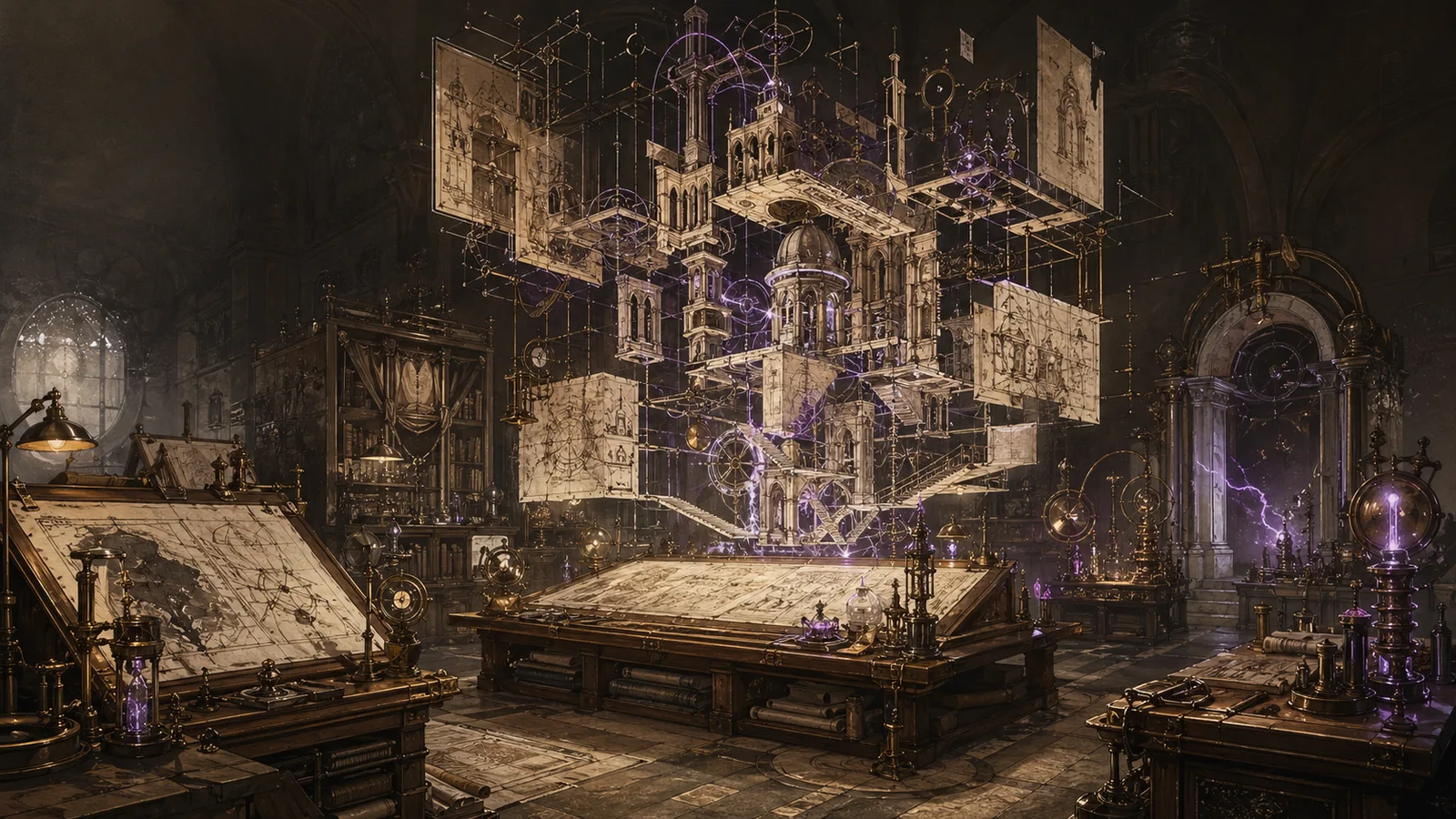
Foundry is not trying to make the model mystical. It gives your project a memory system, a routing layer, and a way to verify whether the corpus is actually helping.
Corrections, decisions, conventions, review feedback, and repeated explanations stop disappearing at the end of a session.
A signal can become memory, documentation, a fixture, a guardrail, an ADR, or a CI rule. Foundry helps decide which.
The point is not more context. The point is the right context, carried forward and verified against real work.
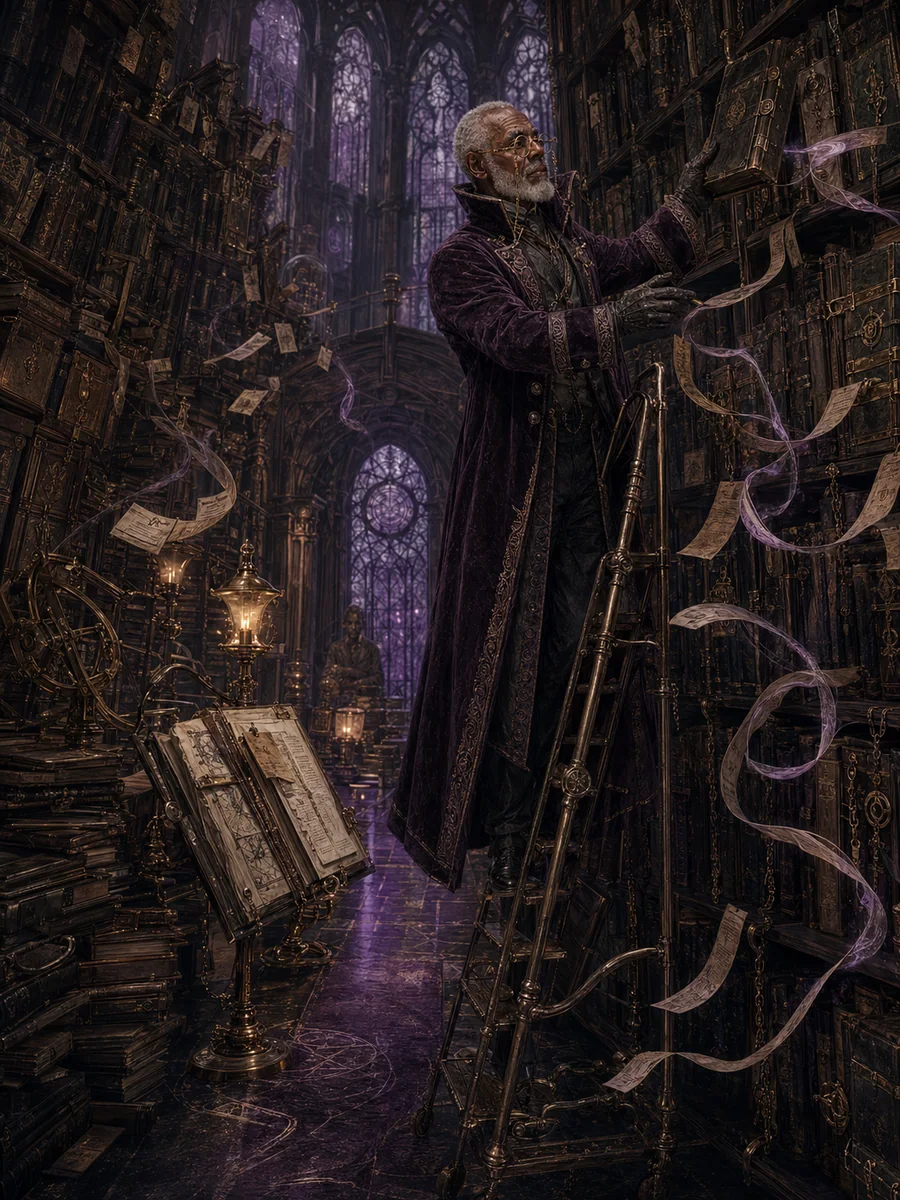
The visual story is heightened; the jobs are concrete. Map the relevant context. Capture the lesson. Watch parallel work. Protect project boundaries. Do the task.




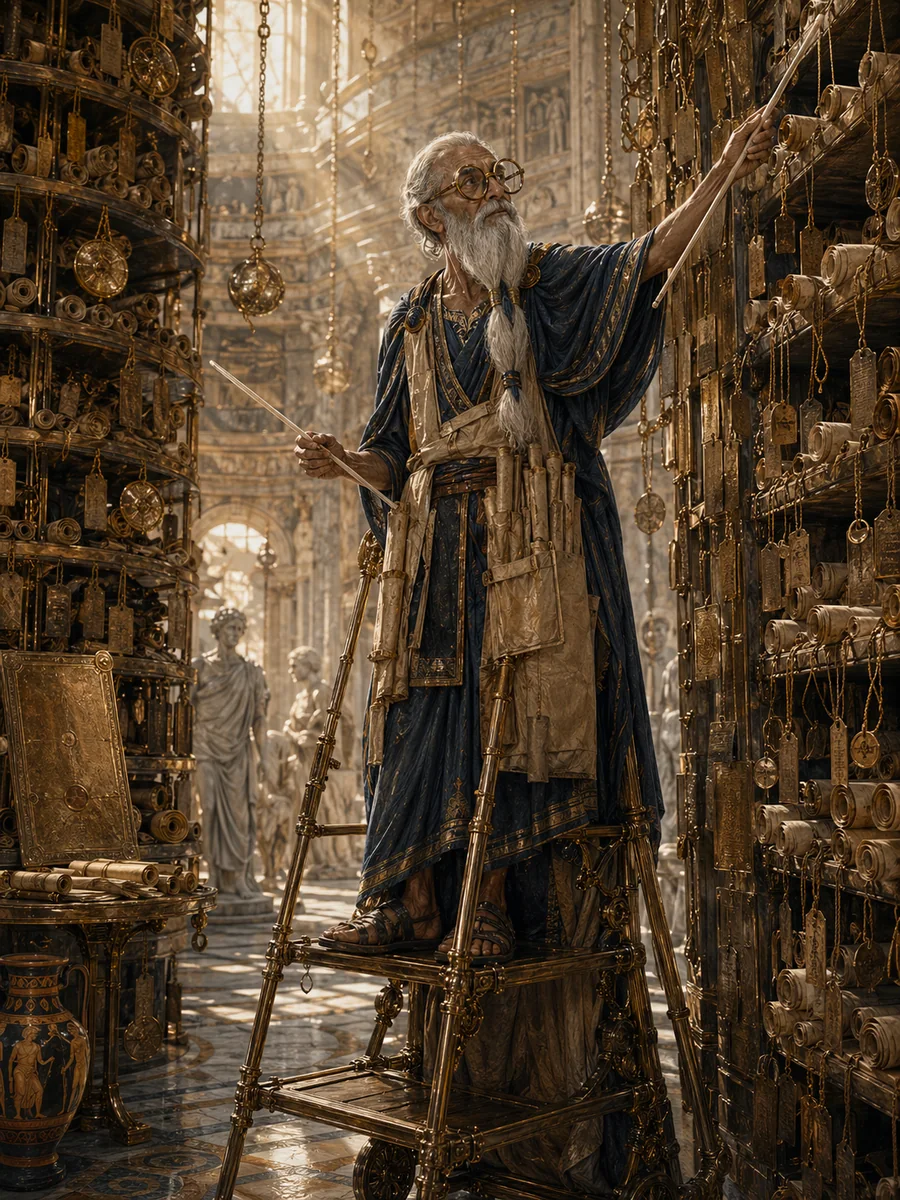


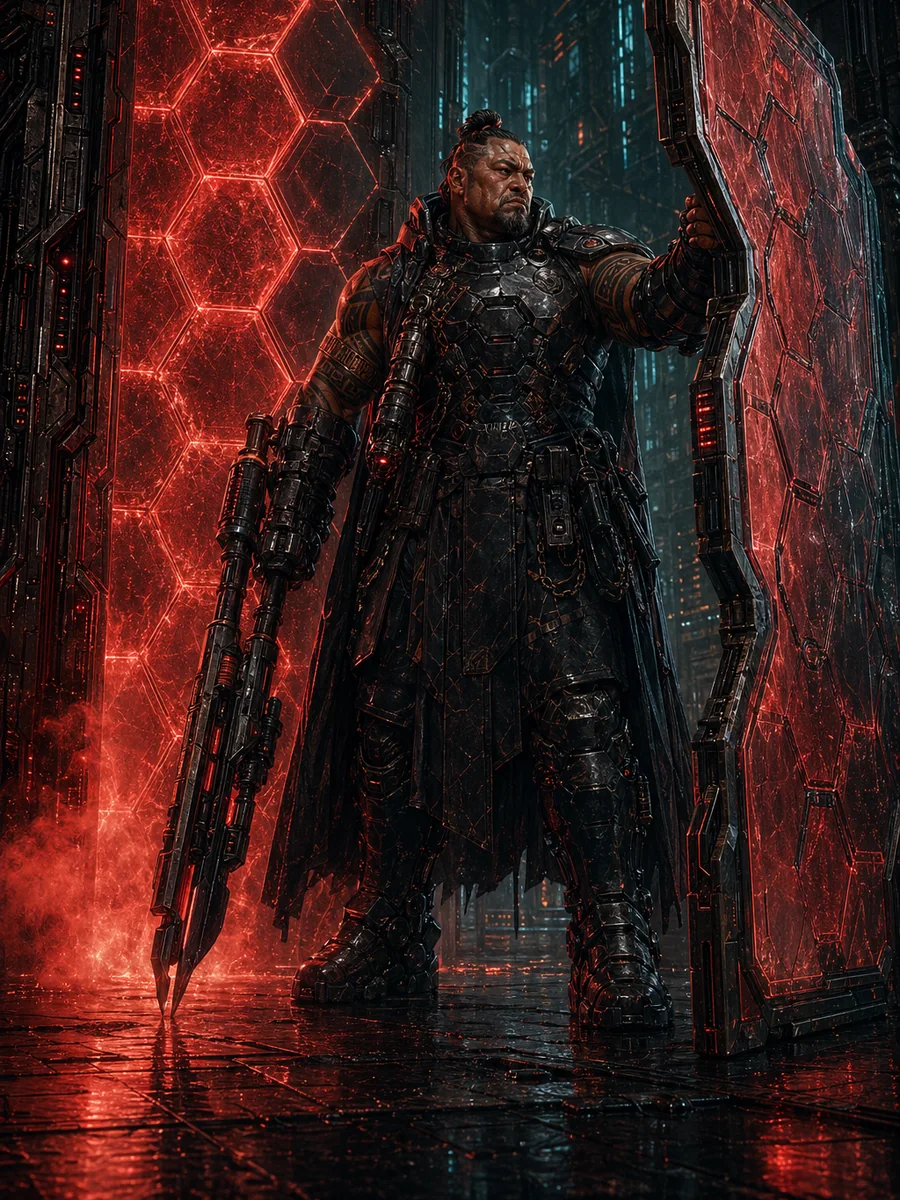
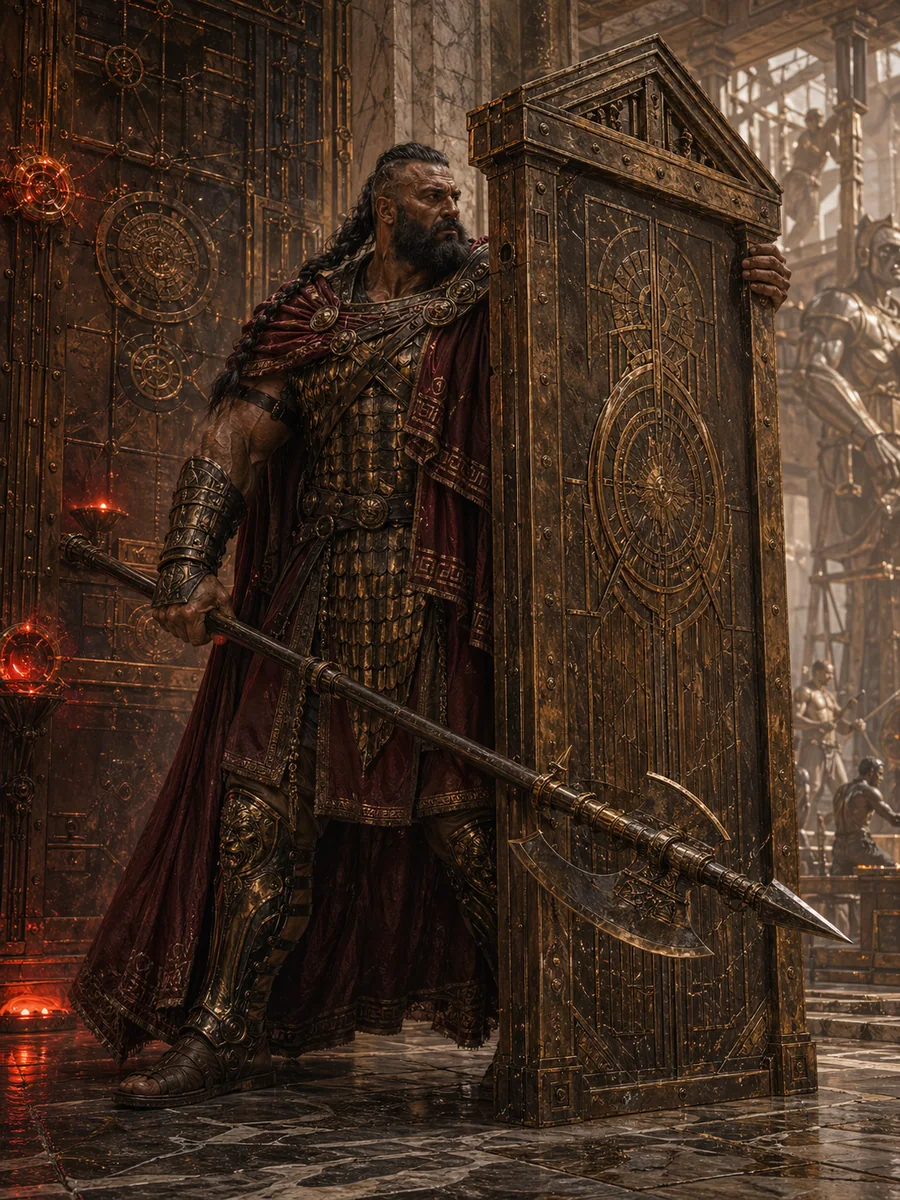
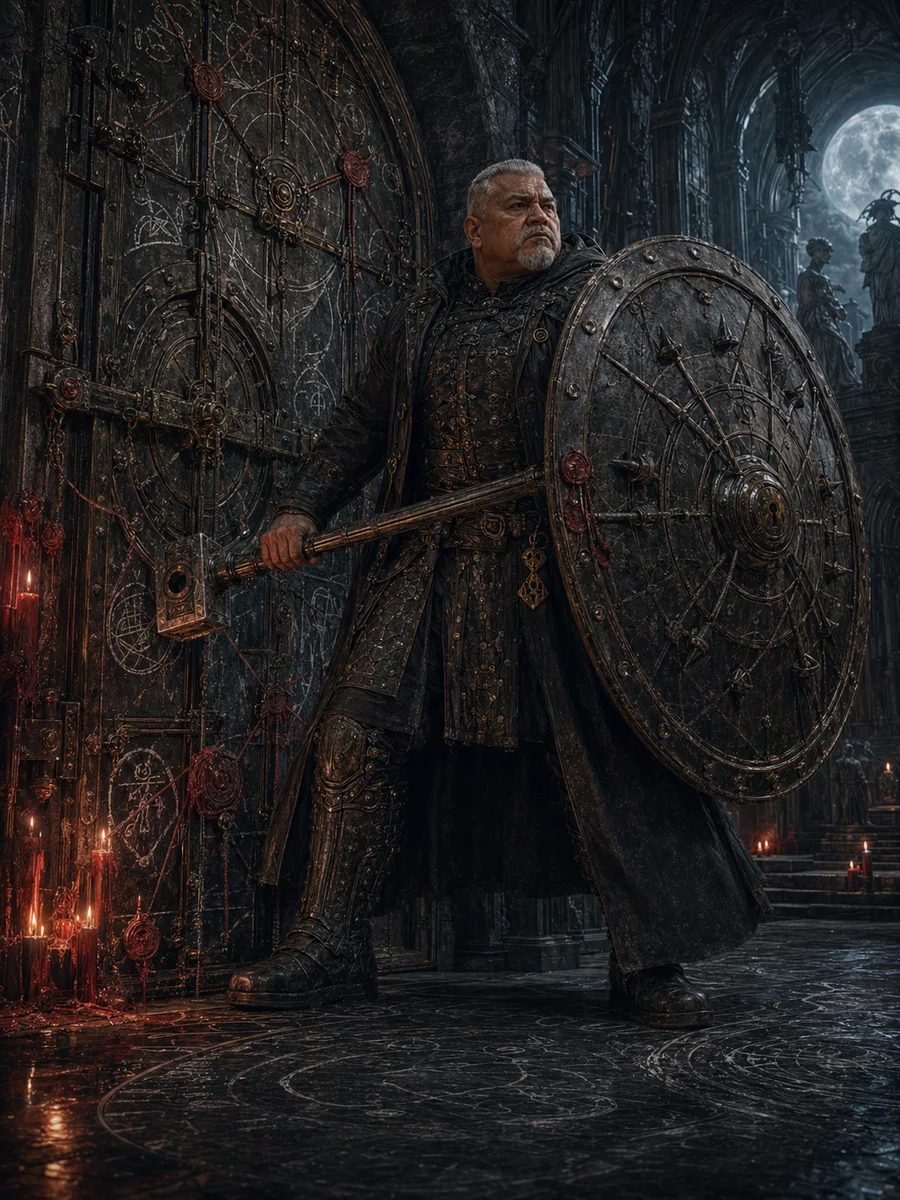
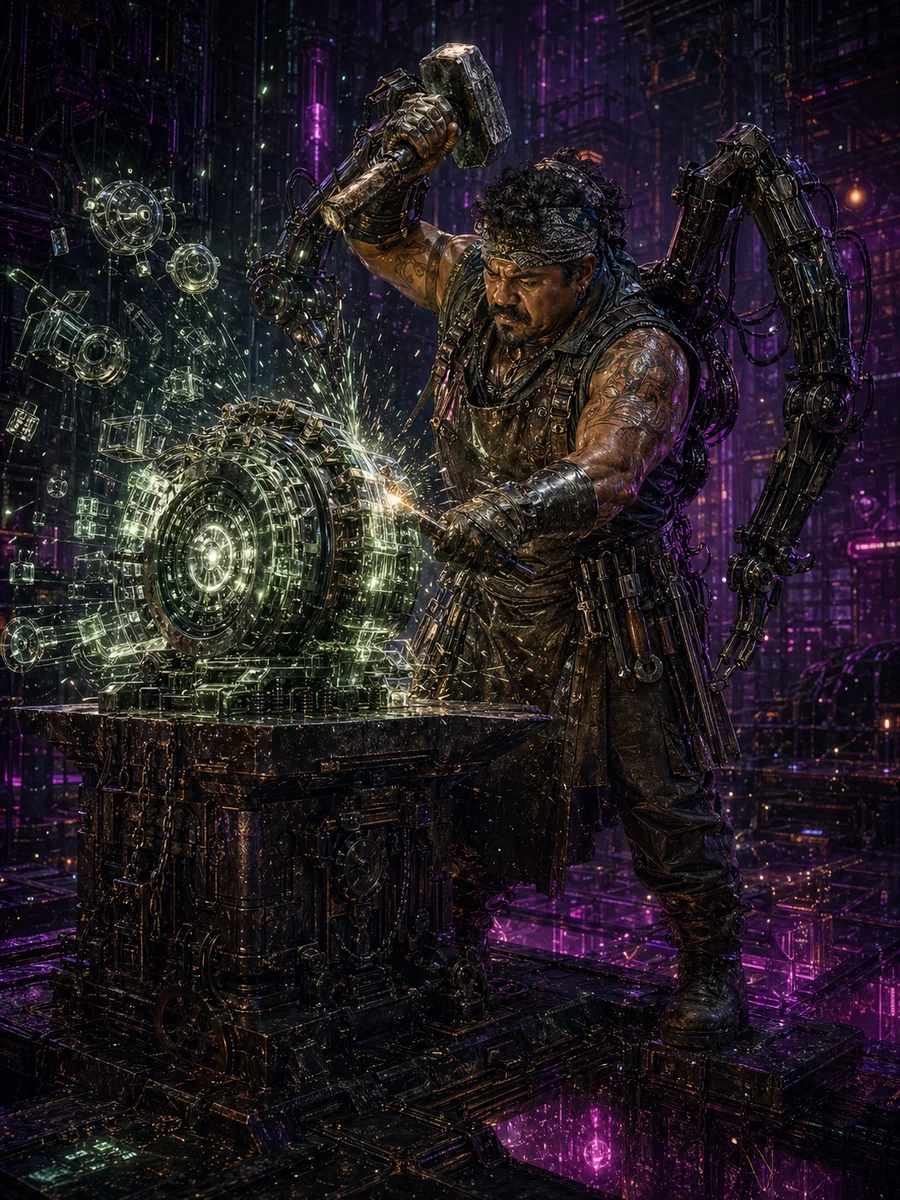
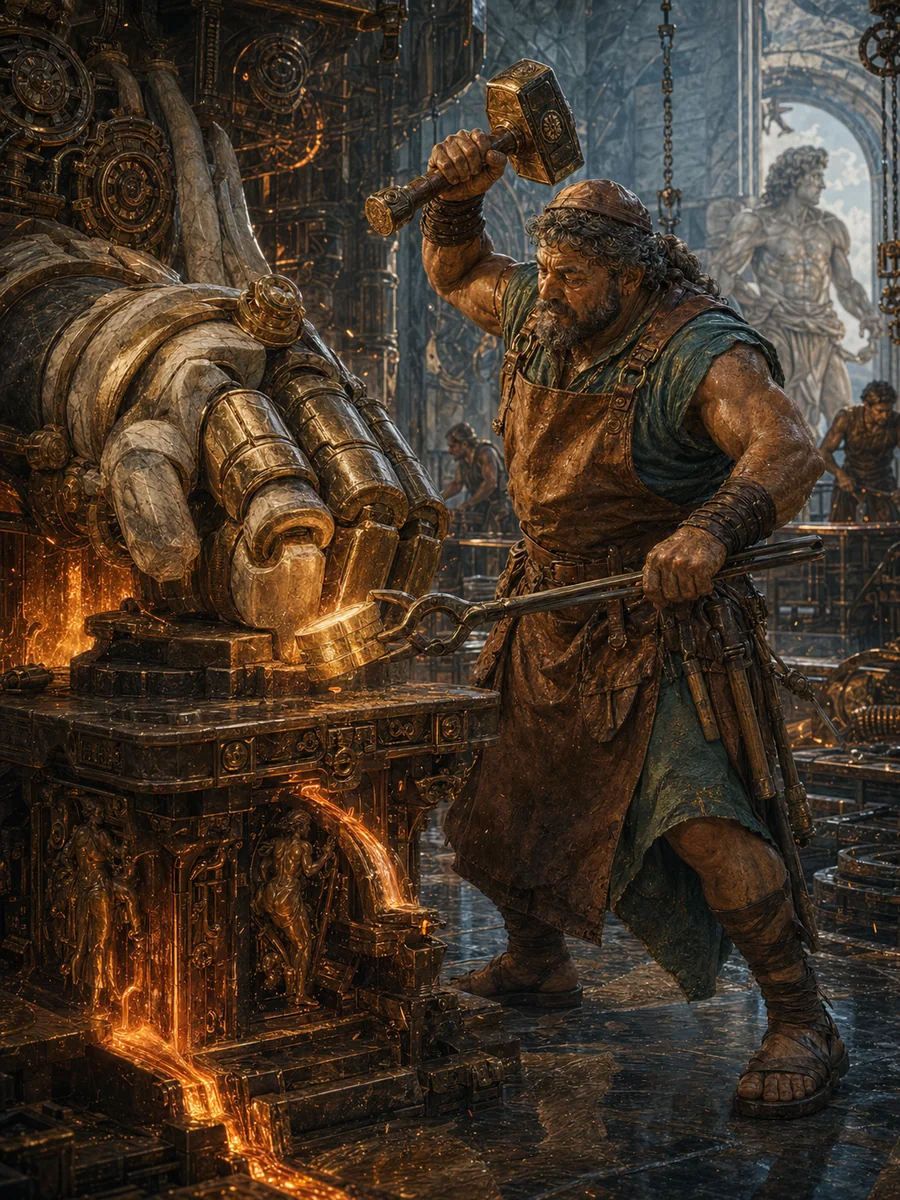
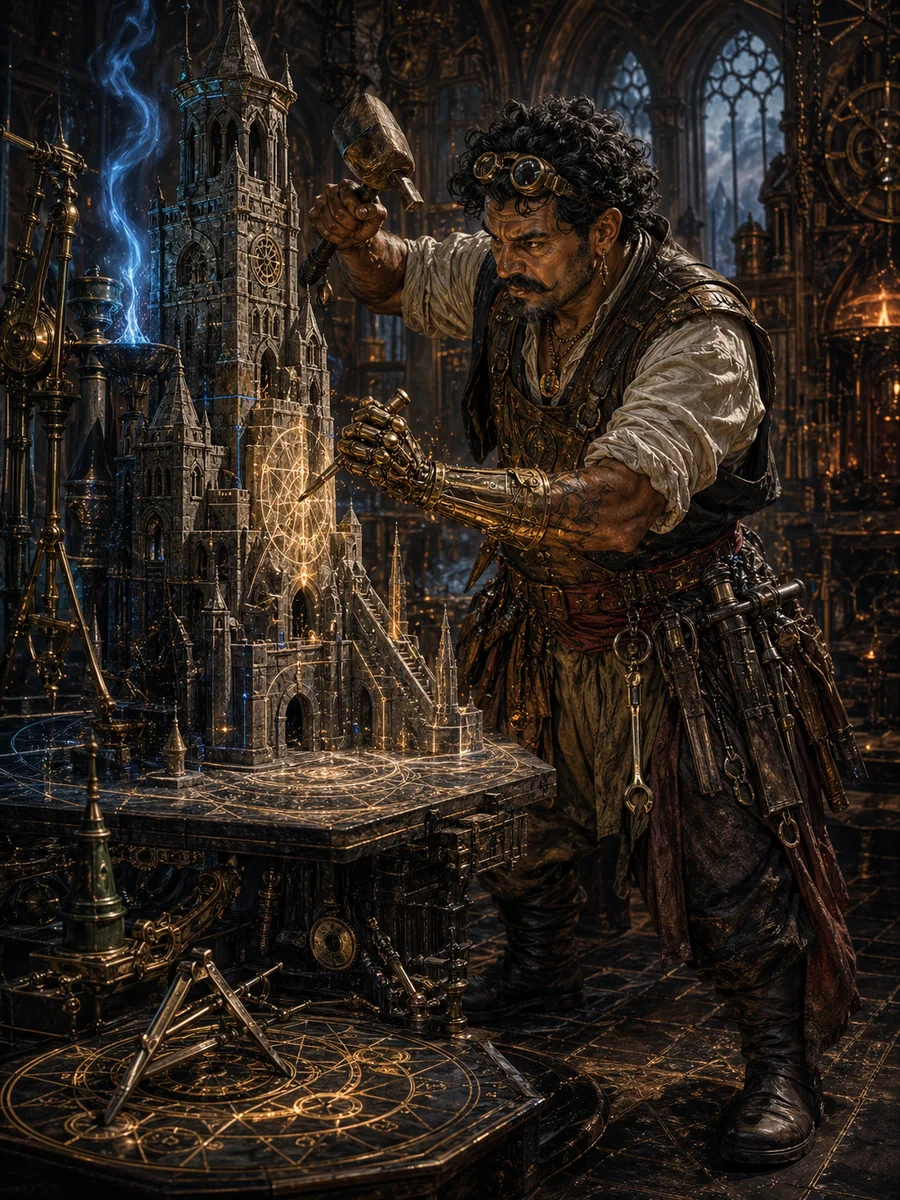
Finds the project context a task actually needs, so the working agent does not have to carry the whole corpus.
Not more autonomy for its own sake. Better starting conditions, better feedback, and fewer lessons paid for twice.
Use Claude Code, Cursor, or your existing agent workflow. Foundry wraps the session instead of replacing it.
A correction, redirect, revert, or review comment says something important about how your project should work.
The Librarian decides whether it is taste, convention, security, architecture, fixture material, or something else.
Approved signals become durable project context your agents can use next time.
The same kind of task runs again against fixtures, with scores and regressions tracked.
If it helped, the improvement stays. If it hurt, you know before it becomes invisible drag.
Start by making project signals durable. Add Oracle when you want to know whether those corpus changes actually improve future agent work.